
Rahoul Castle
Learn more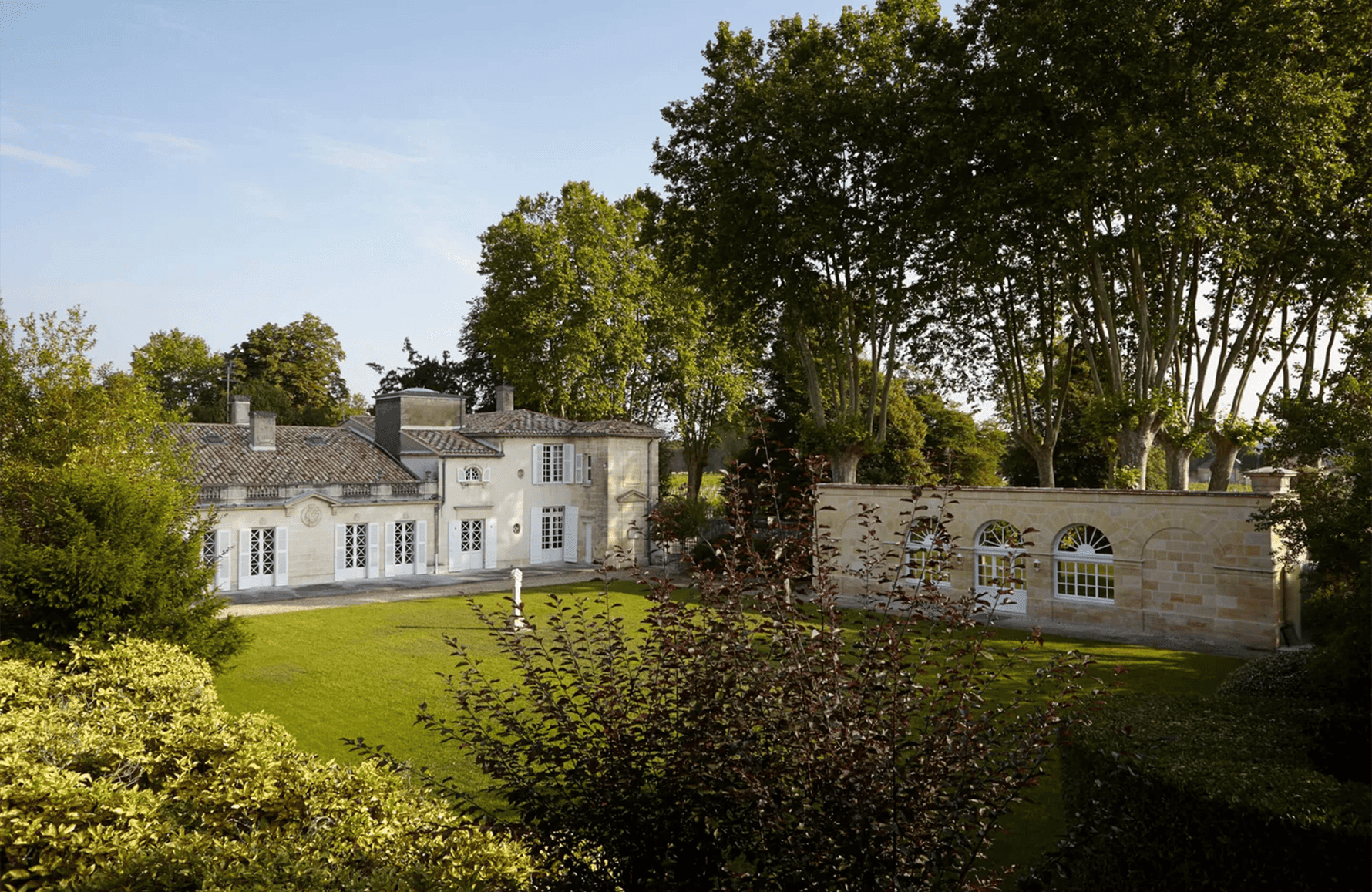
No products found
Use fewer filters or remove all
History of the Estate Rahoul Castle
The long history of Rahoul Castle
THE GRADUAL RISE OF THE ESTATE'S WINES
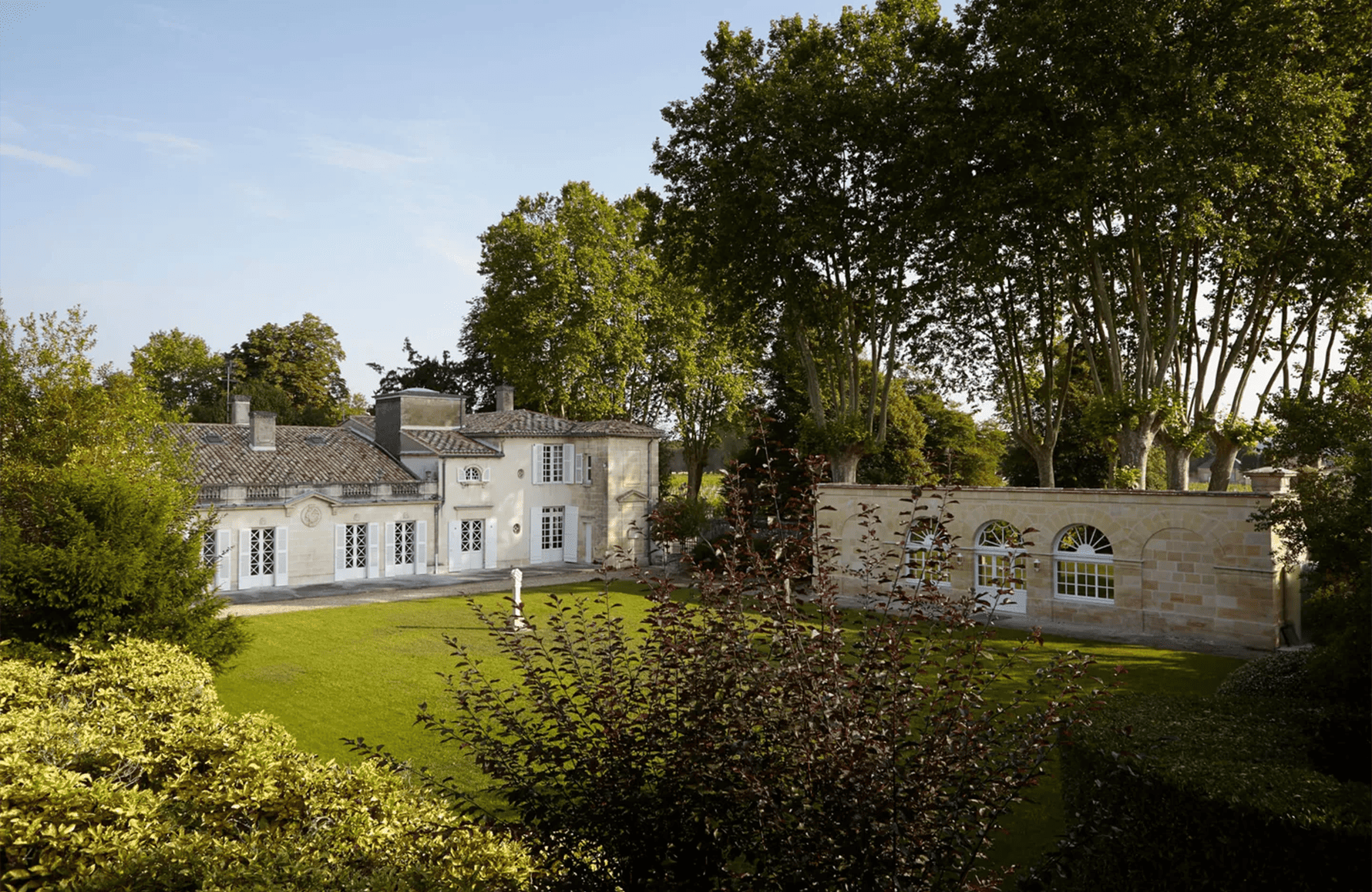
THEKnight Guillaume Rahoulhad the splendid Carthusian monastery that bears his name built in 1646. The estate was bought after the French Revolution by the Balguerie family. This family of Bordeaux merchants then undertook work to enlarge and embellish the monastery and developed the vineyard with the aim of marketing the Château's wine. The property was then bought in 1970 byDavid Robson, of English origin and a true lover of Bordeaux wines, who inaugurated the first bottling of the estate's wine. He modernized the vineyard and undertook to produce atRahoul Castlegreat quality wines. His project came to fruition and the excellence of his wines was rewarded in the 1980s with the recognition of the Château's wines as a member of theUnion of Grands Crus of BordeauxThen, in 1986, the estate became the property of Alain Thiénot from Champagne. He entrusted its management to the teams at Maison Dourthe, which he has owned since 2007. Pierre Estorge is responsible for the vineyard, and Frédéric Bonnafous manages the estate. The Château produces red and white appellation wines.Graves.
The terroirs of Château Rahoul
A TERROIR FOR EACH GRAPE VARIETY AND OPTIMIZED QUALITY
The vineyard ofRahoul Castleextends over38 hectares of vineyardsincluding 33 hectares for the production of red Graves and 5 hectares for the production of white Graves. The oldest plots border the château in Portets, while others are located in the communes of Illats, Podensac, and Saint-Selve, thus providing a wide diversity of terroirs. Each grape variety is therefore adapted to the different soil types on the estate. In Portets and Illats, on the gravelly-sandy and gravelly-clay plots, themerlotis king. The Sauvignon and Cabernet Sauvignon grape varieties are planted on the high-quality plots of Saint-Selve. Finally, it is on the sandy gravel plots of Portets and Podensac that theSemillonflourishes. The sandy-gravelly characteristics of Château Rahoul are due to its proximity to the Garonne River and the warming climate at the end of the Ice Age, which triggered significant flooding and the deposition of gravel. These well-drained soils, warm at night, are ideal for grape ripening. To optimize quality, the vineyard has been restructured with a planting density of 7,000 vines per hectare. Since 1995, the Château has practiced asustainable viticultureand the green work in the vineyard. The harvest is done manually in openwork baskets to protect the berries.
The Château's expertise
PRESERVING ALL THE RICHNESS OF THE GRAPES FOR A QUALITY WINE
Once the harvest is complete, the selected white grapes are pressed under an inert atmosphere to preserve their aromas and freshness. To ensure optimal conditions for barrel aging of the white wines, the château's former orangery has been completely renovated. The wines are then aged on their fine lees for 8 to 9 months. The red wines, on the other hand, are vinified traditionally and by plot in temperature-controlled vats of varying sizes. They are then aged for 12 months in oak barrels, 20% to 30% of which are new. The estate produces approximately 112,000 bottles per year. Château Rahoul white is refined and expressive, with complex fruity aromas and great freshness on the palate. It is now considered one of the best in the appellation.Rahoul CastleThe red wine is all finesse and elegance, with structured tannins and a beautiful balance. The estate also produces a second red wine called L'Orangerie de Rahoul, with an appellationGraveswhich perfectly reflects all the specific characteristics of the Château Rahoul terroir.