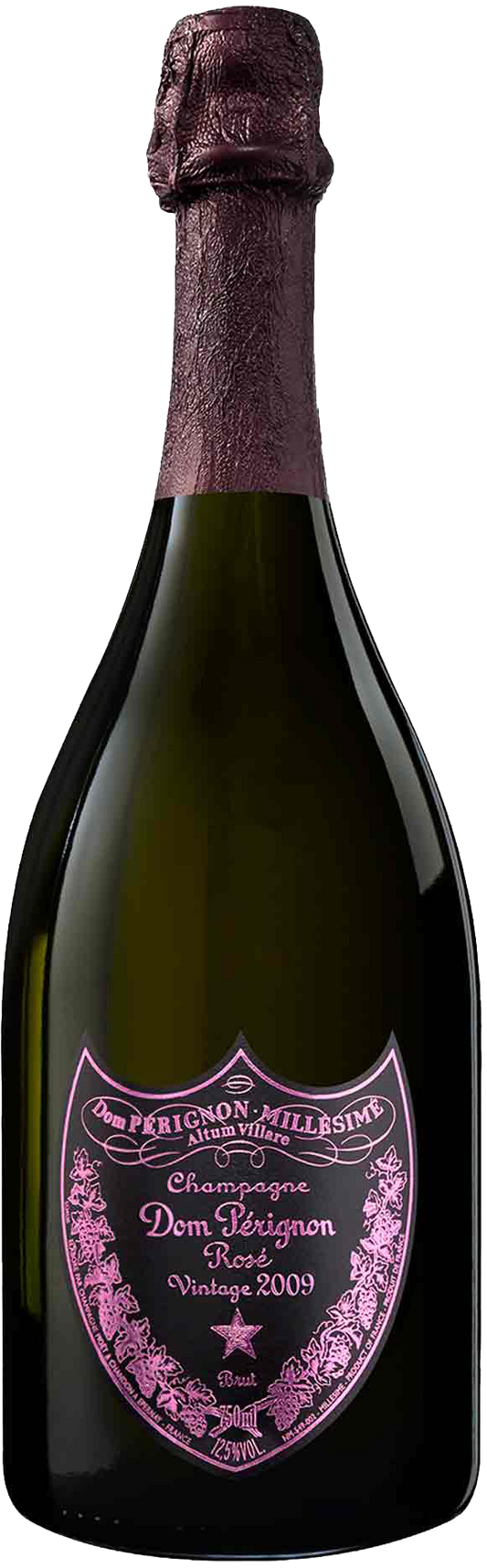
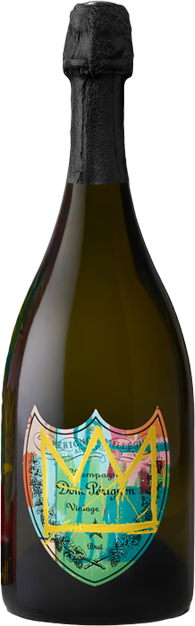
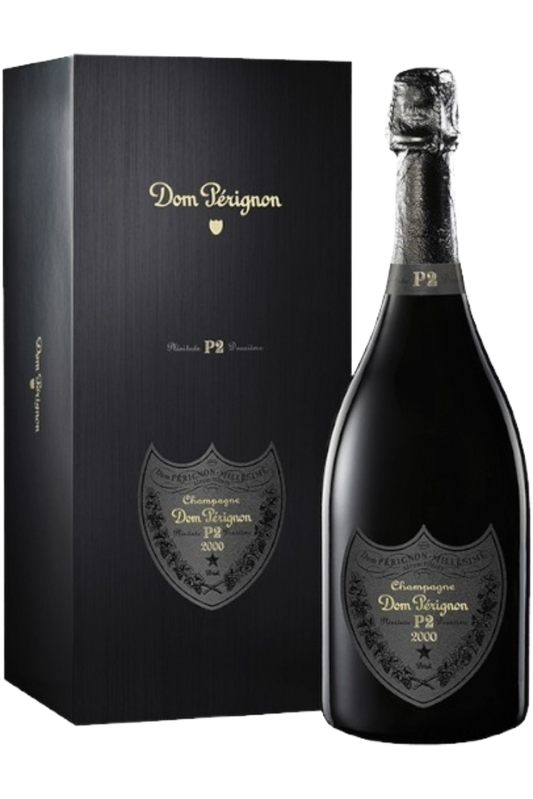
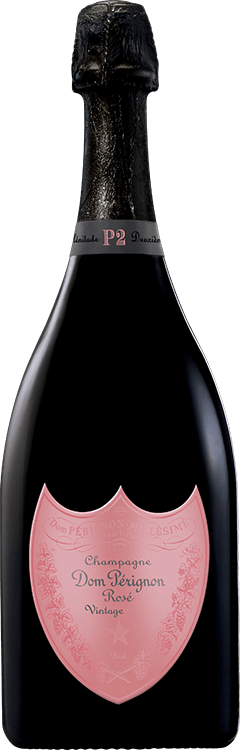
Dom Pérignon, A Journey Through the Centuries
From the Abbey of Hautvillers to the Elite of Champagnes
The Dom Pérignon house is named after the famous Benedictine monk Pierre Pérignon, who lived in the 17th century. Although he is not the inventor of champagne, as some myths suggest, he played a crucial role in perfecting the winemaking methods for this sparkling beverage. As cellar master of the Abbey of Hautvillers, Dom Pérignon constantly sought to improve the quality of the wine, and it was in this quest for perfection that he is said to have implemented practices still used today, such as the gentle pressing of grapes to prevent oxidation.
Over the centuries, the Dom Pérignon house has passed through the hands of various owners, but its spirit of innovation and tradition has always been preserved. Today, the brand belongs to the LVMH group (Moët Hennessy Louis Vuitton), a world leader in luxury goods. This acquisition has allowed Dom Pérignon to benefit from international renown while maintaining the quality and prestige that have built its reputation. LVMH is committed to perpetuating the legacy of this great name, offering exceptional champagnes that appeal to both connoisseurs and enthusiasts seeking a unique sensory experience.
An exceptional terroir in the heart of Champagne
From Prestigious Hillsides to Grapes of Excellence
Dom Pérignon is a vintage champagne, meaning that each cuvée is made exclusively from grapes grown in a single year, thus offering a unique expression of the terroir and climate of that period. The Dom Pérignon vineyards are located in the most prestigious parcels of land in the Champagne region, primarily around Hautvillers, but also in the Grand Cru vineyards of Aÿ, Bouzy, Verzenay, and Avize. These vineyards benefit from exceptional chalky soil, characteristic of the region, which imparts an incomparable minerality to the grapes and contributes to the aromatic complexity of the wines.
The principal grape variety used to produce Dom Pérignon champagnes is Chardonnay, blended with Pinot Noir. This harmonious marriage of two emblematic grape varieties of the region results in champagnes that are balanced, elegant, and exceptionally rich. The unique terroir of Champagne, with its ideal climate and limestone soils, provides the perfect environment for the grapes to ripen, guaranteeing wines of great finesse.
In agriculture, Dom Pérignon is committed to sustainable and environmentally friendly practices. Sustainable viticulture and biodynamic farming are integrated into the processes to preserve biodiversity and guarantee the highest possible grape quality. The harvest is carried out by hand, ensuring rigorous selection of the grape bunches.
The Secret Art of Dom Pérignon Winemaking
Behind the Scenes of Creating an Exceptional Champagne
The winemaking process for Dom Pérignon champagnes is based on a rigorous and meticulous approach, aiming to extract all the richness and subtlety of grapes sourced from the finest terroirs. The process begins with a double fermentation: the first in vats to transform the must into still wine, and the second in the bottle, where the wine develops its characteristic effervescence. It is during this second fermentation, known as "prise de mousse," that Dom Pérignon achieves its unique signature in terms of texture and the finesse of its bubbles.
The wines are aged on their lees, a technique that involves leaving the wine in prolonged contact with its yeasts to enrich its aromas and add roundness to the palate. Dom Pérignon champagnes age in the cellars for at least eight years before being released, which gives them great depth and complexity. During this period, the wines develop characteristic aromas of ripe fruit, brioche, white flowers, and hazelnut, accompanied by subtle mineral notes typical of the chalky terroir of Champagne.
The distinctive character of Dom Pérignon champagnes lies in their perfect balance between power and elegance. Vintage champagnes are produced only in exceptional years, when climatic conditions have allowed the grapes to reach optimal ripeness. Thus, each bottle tells the story of a particular year, while remaining true to the identity of the estate. This unique and inimitable character makes Dom Pérignon one of the most sought-after and highly regarded champagnes worldwide, promising an extraordinary sensory experience with every tasting.