The evolution of Château La Garde
THE GRADUAL AWARENESS OF VINEYARD QUALITY
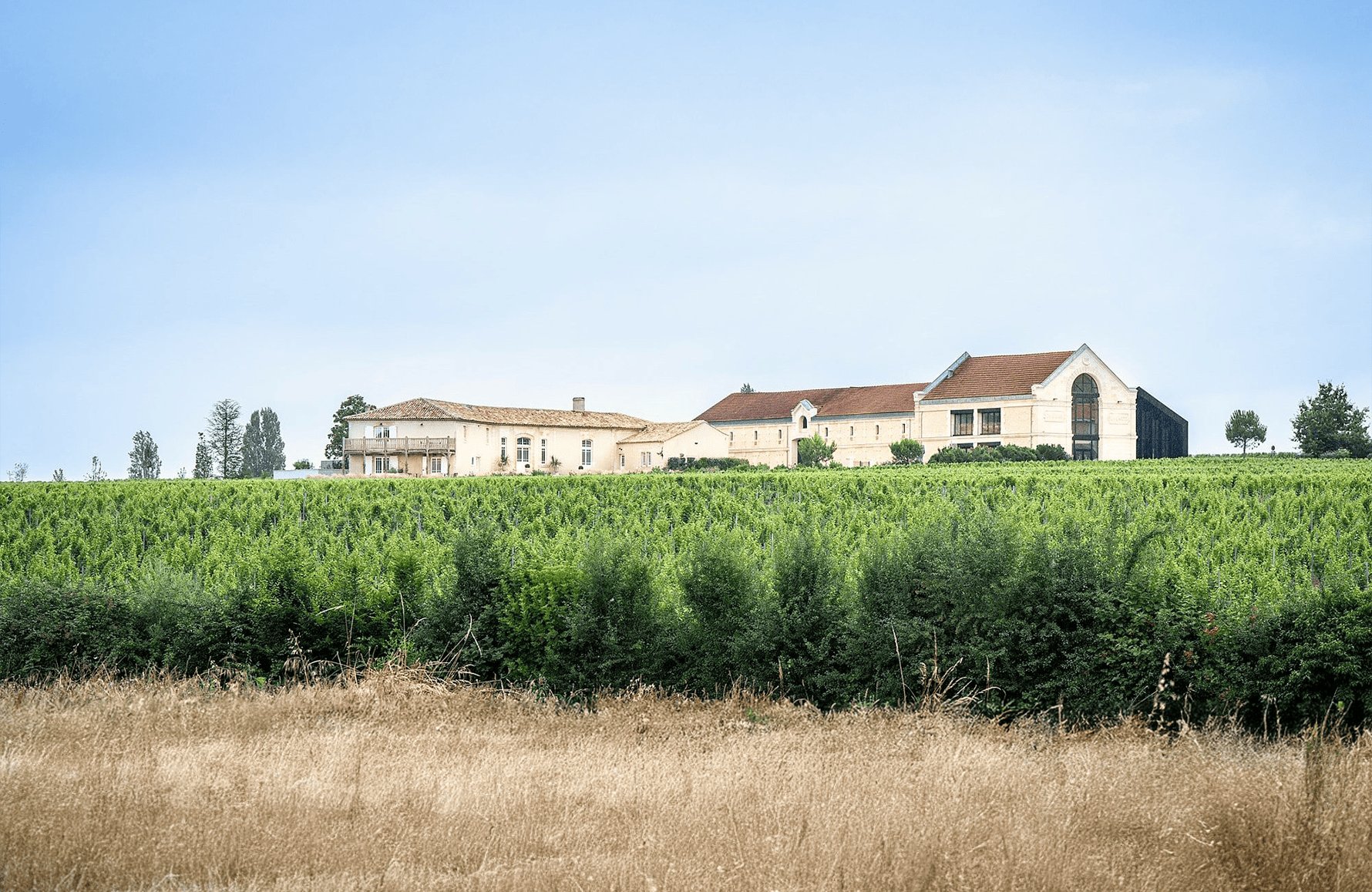
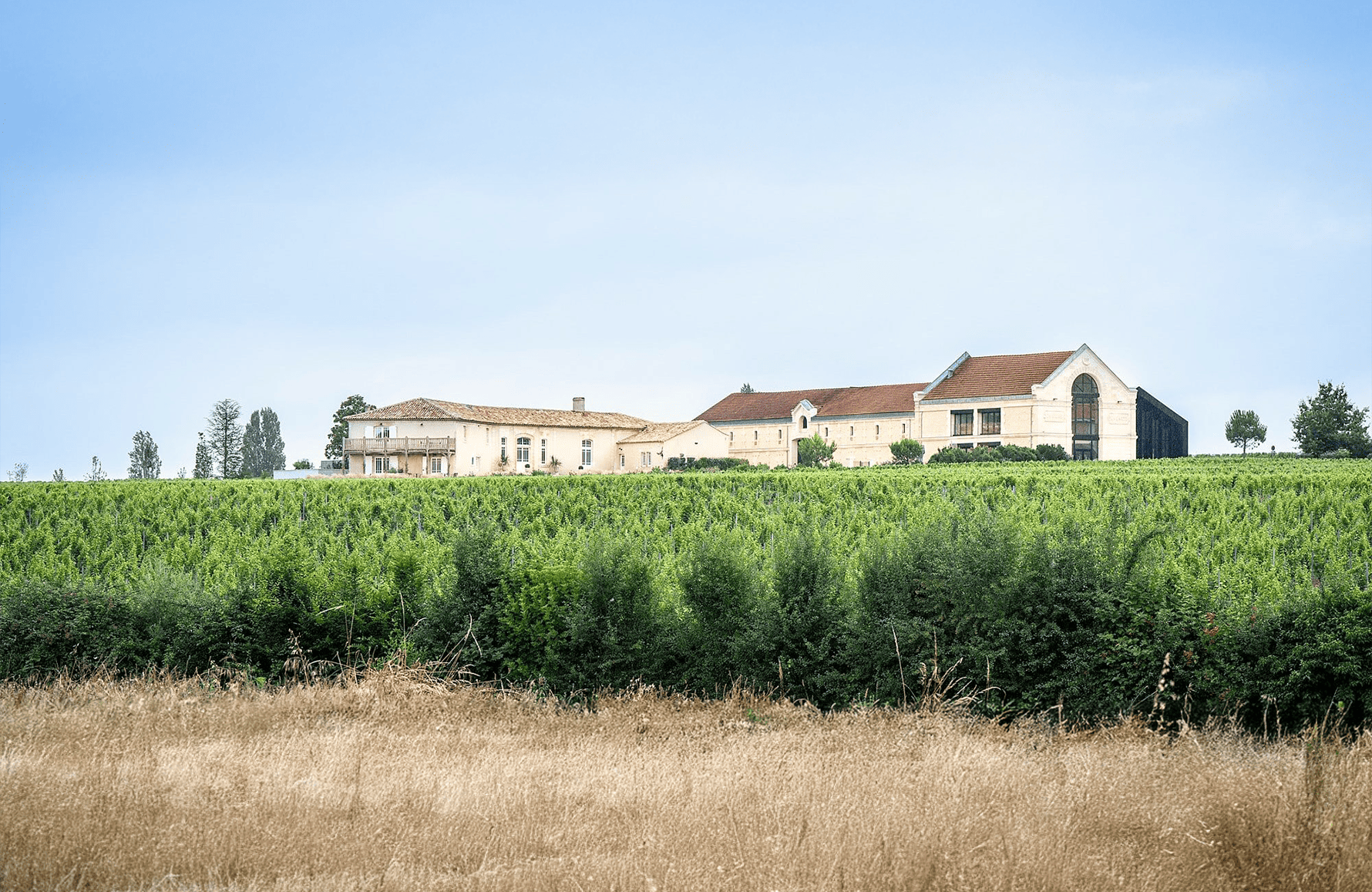
The first written record of Château La Garde is the Cassini map, the first general map of France, where it is mentioned that…Lagarde EstateThe Carthusian monastery was built in 1732 and at that time was essentially surrounded by forests. Only a few plots of vines were already present.Blanchard familymanaged the property until 1877, when the Lacoste family, Bordeaux wine merchants, bought the estate. They developed the vineyard and built the cellar in 1881. In 1920,Louis Eschenauer, a famous merchant in Bordeaux, acquired the property. Being also the owner ofChâteau Smith Haut LafitteHe became the leading promoter of wines from the Martillac region. Finally, Château La Garde was acquired by the Dourthe group in 1990 due to the quality of its gravelly soil. Indeed, the estate's terroir is one of the richest in the Pessac-Léognan appellation. Today, the Château produces approximately 161,000 bottles of red and white wine under the appellation.Pessac-Léognanevery year.
The exceptional terroir of Château La Garde
THE GRAPE VARIETY AND CULTIVATION METHODS ARE ADAPTED TO EACH PLOT OF LAND
Half of the 53 hectares of vineyards ofChâteau La Gardeare located on stony and clayey soil, containing a variable amount of sand. On 10 hectares of the estate, the soil is composed of stones that can reach a depth of 4 meters and is ideal for growingcabernet sauvignon, ofcabernet francand of thelittle green dotAround this stony plateau, the soil is essentially sandy and perfectly suited to the delicatemerlotTo the north of the property, a vast chalk vein cuts across the estate and extends beyond the stream, where the clay soil is cooler and more favorable to the production of white grape varieties: Sémillon and Sauvignon Blanc. Finally, a powerful and tannic Merlot flourishes on two adjacent plots composed of clay and gravel. The team ofDourtheChâteau La Garde is intimately familiar with this multifaceted terroir and knows how to adapt the grape variety and cultivation methods to each plot. Indeed, Château La Garde practices sustainable viticulture, and some plots are...cultivated organically and biodynamicallyFurthermore, studying the vines over the years has allowed us to distinguish between the different plots and maintain them individually. During the harvest, the bunches are selected by hand to harvest only the best fruit.
Wines from Château La Garde
QUALITY GRAPES AND THE PURSUIT OF PERFECTION
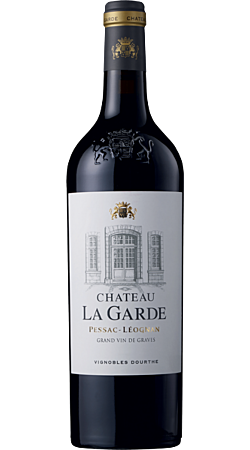
The grapes collected during the harvest are taken to the winery where they are sorted again. To protect the berries upon arrival, dry ice and inert gas are used. The vinification and aging of the white grapes takes place in barrels, while the red grapes are vinified in stainless steel tanks. Each plot has its own tank, allowing for close monitoring of the vines and adjustments to the workload.Château La GardeThe estate incorporates the very latest innovations in its cellar to allow the teams to improve grape selection and the expression of their quality in the wine. Aging in barrels lasts 12 to 14 months in the château's underground cellar. Two main Pessac-Léognan appellation wines are produced: theChâteau La Garde whitecomposed of 75% Sauvignon Blanc and 25% Sémillon, and theChâteau La Garde rougeA blend of Merlot, Cabernet Sauvignon, and Petit Verdot, the white wine expresses a strong personality with precise aromas and a beautiful structure; a few years in the cellar will allow it to reveal its full potential. The Château's red wine is powerful, structured, with a lovely roundness and complexity that will only be enhanced with age. Finally, Château La Garde produces a second red wine, LaLa Garde Terracefruity and approachable even when young.